What Is a Merchant Category Code? How Card Payments Get Labelled
In briefEvery card payment carries a four-digit merchant category code. It decides how a purchase is labelled, which fees and rewards apply, and whether a gambling block steps in.
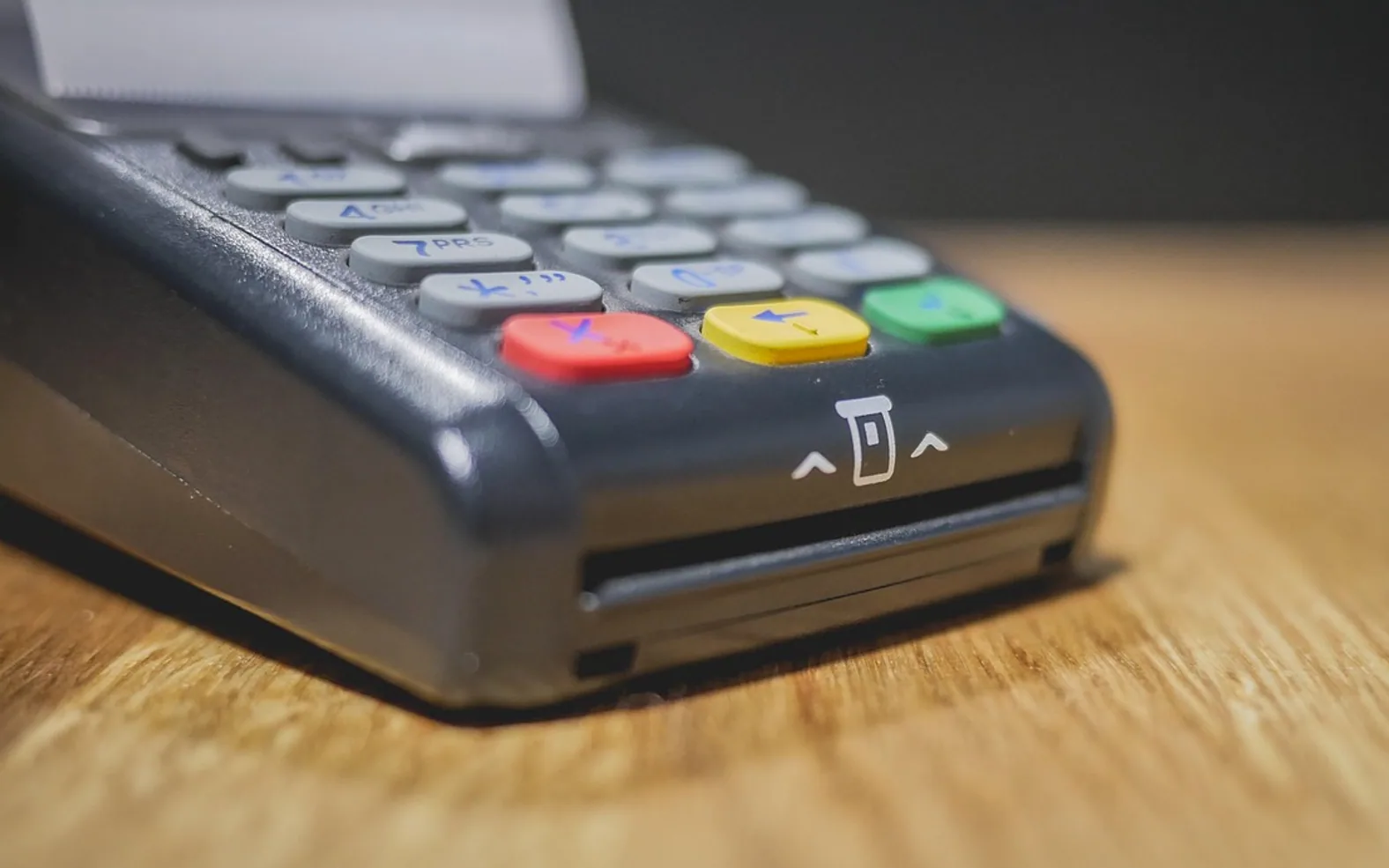
A merchant category code (MCC) is a four-digit number assigned to every business that accepts card payments. It describes what kind of business the merchant is, such as a supermarket, a restaurant, a public transport operator or a betting company, and it travels with each card transaction to the bank that issued the card.
Cardholders rarely see the number itself. They see its effects: the category label in a banking app, the rewards a card pays on a purchase, the cash-advance fee on some payments and the decline when a spending block is switched on.
Who assigns the code
The code is not chosen by the cardholder or the card issuer. It is set when a business opens its merchant account with an acquirer, the bank or payment company that processes card payments for it. The acquirer picks the code that best matches the business, following the classification lists published by the card networks.
A merchant normally has one main code, although a business with very different activities, such as a hotel with a casino floor, may run separate terminals or accounts under different codes. Because the code is attached to the merchant rather than to the item bought, everything sold through that account carries the same label.
Common codes and what they cover
The full lists run to hundreds of entries. A few that come up often in everyday spending, travel and gambling:
| Code | Category | Where you might meet it |
|---|---|---|
| 5411 | Grocery stores and supermarkets | Weekly shopping |
| 5812 | Eating places and restaurants | Sit-down meals |
| 4111 | Local and commuter passenger transport | Subway, bus and transit card top-ups |
| 4899 | Cable, satellite and other pay television | TV and streaming subscriptions |
| 6011 | Automated cash disbursements | Cash machine withdrawals |
| 7995 | Betting, including lottery, casino gaming and wagers at race tracks | Casino, sportsbook and lottery deposits |
In the United States, the card networks have also introduced separate codes for government-run lotteries and government-licensed online casinos and race wagering, so that regulated operators in states that allow online play can be told apart from the wider 7995 group.
Why the code matters to a cardholder
Spending categories and budgets
Banking apps use the code to sort transactions into groups like groceries or travel. That makes monthly summaries easy to read, but the label is only as good as the merchant's code. A café inside a bookshop may appear as books; a pharmacy that also sells groceries may appear as either.
Rewards and fees
Cards that pay extra rewards on dining, fuel or travel decide eligibility by MCC. The same code can also trigger costs. Many issuers treat gambling and certain cash-like payments as a cash advance, with a fee and interest from the day of the transaction rather than after a grace period. The card's terms list which categories are treated that way.
Recurring charges
Subscription services usually bill under a code for their own type of business, which is how a statement can show a streaming plan as entertainment and a gym as recreation. Our guide to recurring streaming charges and clean cancellations in Canada shows why it helps to keep those bills on a different card from any gambling spending.
Spending blocks
This is where the code matters most for players. A bank's gambling block works by declining payments from merchants coded as gambling, so it can act before the money leaves the account. Our explainer on how card gambling blocks work and where they fall short covers setting one up and the routes it does not catch.
When the label is wrong
Codes are assigned by people, and mistakes or loose choices happen. A merchant may be filed under a broad category that hides what it actually sells, or a payment may pass through an intermediary, such as an e-wallet or payment facilitator, whose own code appears instead of the final merchant's. Gambling deposits routed this way can slip past a gambling block, and purchases can miss the rewards a cardholder expected.
If a transaction looks miscategorised, the issuer can usually say which code it received. Changing the code itself is a matter between the merchant and its acquirer, so the practical fix is often on the cardholder's side: a stricter block, a separate card for gambling, or turning to the merchant first and, for errors or fraud only, a formal card chargeback.
Travelling with a card
Abroad, merchant codes work the same way, since they belong to the card networks rather than to any one country. A transit top-up in another city is still a transport payment, and a casino cashier is still a gambling merchant. What changes is the layer of currency and foreign-use fees on top. Our notes on paying by card, cash and transit card in Seoul show how those layers stack up on a typical trip.
How to find a merchant's code
- Check the transaction details in your banking app. Some apps show the category, and a few show the code itself.
- Ask the card issuer. Support teams can usually read the code from the transaction record.
- Look at the statement category. It is a translation of the code, even when the number is hidden.
- Ask the merchant. Businesses can find their own code in their merchant account details.
Questions people ask
Can I change the code on a payment I made?
No. The code belongs to the merchant's account and is set by its acquirer. A cardholder can only dispute or question the payment, not relabel it.
Do all gambling merchants use 7995?
Most do, but not all. Regulated lotteries and some licensed online operators in the US use newer, more specific codes, and payments that pass through intermediaries may carry the intermediary's code.
Does the code affect my credit score?
Not directly. It affects how a transaction is labelled and priced on the card. For questions about how a particular lender reads your spending, ask the lender or an independent adviser.
In short
A merchant category code is a small label with wide reach: it sorts your statement, sets rewards and fees, and lets a gambling block do its job. Knowing it exists explains many of the small surprises on a card bill. Gambling is for adults only, and the safest setup keeps it on a separate, limited payment method; rules on online play vary, so confirm what is legal where you are before depositing anywhere.