Paying in Seoul: Cards, Cash and Transit Cards
In briefCards cover most of a Seoul trip, but a little cash, a reloadable transit card and a plan for shared bills make the days run more smoothly.
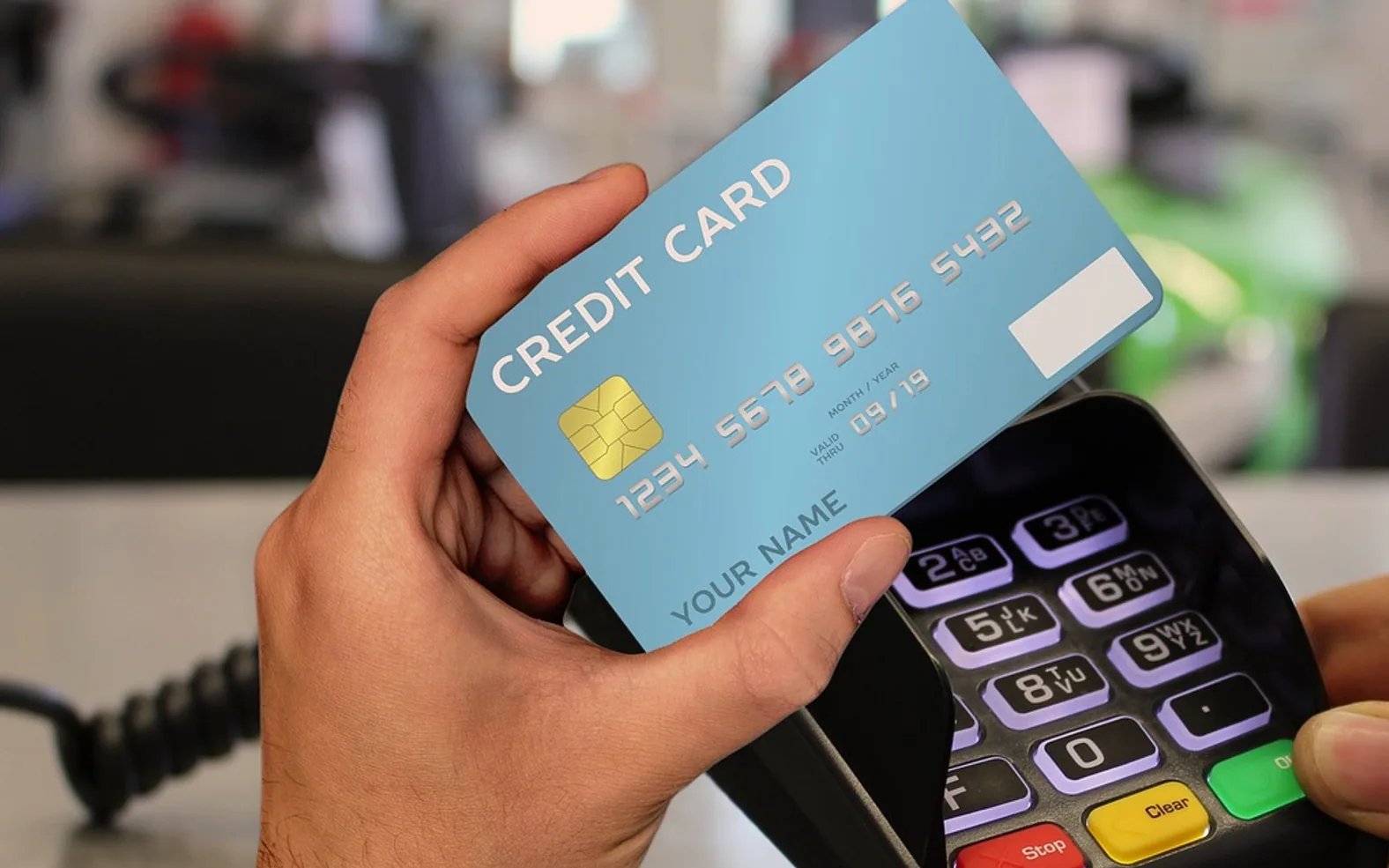
Most visitors to Seoul can pay for nearly everything with a card. Shops, cafés, convenience stores, taxis and most restaurants accept international credit and debit cards, and tapping to pay is common at the till. Cash still earns a place in your wallet for street food, traditional markets and the odd small stall, and a reloadable transit card takes care of buses and the subway. Knowing which method suits which moment saves small frustrations and avoidable charges.
Cards: the default for most purchases
Card terminals are everywhere in the city, from department stores to tiny noodle counters. A card issued abroad will usually work, though acceptance can depend on the card network and on whether your bank has flagged foreign use. Before you travel, it helps to tell your bank about the trip, check that the card is enabled for overseas payments and note the number to call if it is blocked.
Two things to watch at the till:
- Currency choice. Some terminals offer to charge you in your home currency instead of Korean won. That conversion is set by the merchant's provider, and the rate is often less favourable than your own bank's. Paying in won is usually the cleaner option; the reasoning is laid out in our piece on foreign transaction fees and currency conversion.
- Signatures and PINs. Many terminals skip both for smaller amounts. For larger ones you may be asked to sign on a screen, so keep an eye on the amount displayed before you confirm.
Contactless and mobile payments
Tapping a contactless card or a phone wallet is widely accepted, but not universally. Some local mobile payment systems are tied to Korean bank accounts or local phone numbers, so a visitor's phone wallet may be refused where a physical card goes through. Carrying the card itself, not just the phone, avoids getting stuck at a counter that only reads chips or magnetic stripes.
When cash still helps
Cash is no longer essential, but it remains practical in a few situations:
- Traditional markets and street food stalls, where some vendors prefer notes and coins.
- Small family-run shops, especially outside the main shopping districts.
- Topping up a transit card at machines that take only cash.
A modest amount of won for these moments is enough for most travellers. Keep it separate from your cards so a lost wallet does not leave you with nothing.
Where should I exchange money?
Exchange counters operate at airports, in central shopping districts and at banks. Rates and commissions differ from one counter to the next, so it is worth comparing a couple before handing over a large sum. Exchanging only part of your budget on arrival and the rest in the city is a common approach.
Do ATMs accept foreign cards?
Many do, but not all. Machines marked as accepting international cards are typically found at airports, in subway stations, convenience stores and bank branches. Your own bank may charge for foreign withdrawals, and the ATM operator may add its own charge, so check your bank's terms before the trip rather than after. Fewer, larger withdrawals usually cost less than many small ones, though carrying a lot of cash has its own risks.
Reloadable transit cards
A rechargeable transit card is the easiest way to ride the subway and buses. You buy the card at a convenience store or a station machine, add credit, and tap it at the gate or on boarding. The same card often works for transfers between subway and bus, and many convenience stores and some taxis accept it as payment too. Check the remaining balance before a long ride, and keep the card in a separate pocket from other contactless cards so the reader charges the right one.
| Situation | Practical choice | Worth knowing |
|---|---|---|
| Shops, cafés, restaurants | Card or contactless | Choose to pay in won if asked |
| Markets and street stalls | Cash | Smaller notes are easier for vendors |
| Subway and buses | Transit card | Top-up machines may take cash only |
| Taxis | Card or transit card | Confirm at the start of the ride |
| Group dinners and outings | One card, then settle up | Agree on the split beforehand |
Splitting a bill in a group
Group meals and evenings out raise the question of who pays. In many Korean restaurants a single bill is brought to the table, and paying at the counter on the way out is normal. Staff can sometimes split a payment across several cards, but it is simpler when one person pays and the others settle afterwards.
The same applies to a private karaoke room, known locally as a noraebang, where the room is usually charged by time and drinks or snacks are added to the same tab. Agreeing in advance how long you plan to stay keeps the final bill predictable. If your group is planning such a night in the south of the city, Korean-language resources such as 강남 가라오케 안내 can help with practical details before you go. If drinks are part of the evening, set a pace you are comfortable with and arrange a taxi or the subway home rather than driving.
A few habits make group payments fairer:
- Decide who pays before ordering, so nobody is surprised at the counter.
- Photograph the itemised bill for reference.
- Settle up the same day while the amounts are fresh.
- Use a shared note or a payment app the whole group already uses at home.
Keeping receipts
Receipts are handed out by default at most tills, and it is worth keeping them for a while. They help you match card charges on your statement, spot a duplicated payment, and support a dispute if something goes wrong. Shops that offer tax refunds for visitors also need the receipt and, often, your passport at the time of purchase. Our explainer on card chargebacks and disputes shows why a paper trail matters if a charge ever needs to be challenged.
What if my card is declined?
Try a second card or a different network first. A refusal often comes from your own bank's fraud protection rather than from the shop, so a quick call or app check can clear it. This is exactly why carrying two cards from different banks, plus a little cash, is a sensible backup.
Paying in Seoul is straightforward once the pattern is clear: cards for most things, a transit card for getting around, a little cash for markets, and an agreed plan when a group shares the bill. Check your own bank's foreign-use terms before departure, and the rest tends to take care of itself.