E-Wallet, Card or Bank Transfer? Choosing How Money Moves at a Casino
In briefNo payment method is best at everything. Speed, fees, whether money can come back the same way and how easy it is to stick to a budget all pull in different directions.
There is no single best way to fund a casino account. E-wallets are usually the fastest for withdrawals, debit cards are the most familiar, bank transfers are cheap but slower, and prepaid cards are good at capping spending but often cannot receive money back. The right choice depends on which of those qualities matters most to you, and on which methods the operator actually supports in both directions.
The main casino payment methods side by side
| Method | Deposit | Withdrawal | Typical cost points | Budget control |
|---|---|---|---|---|
| Debit card | Instant | Usually possible, a few business days | Possible cross-border or currency fees | Linked straight to everyday money |
| E-wallet | Instant | Usually possible, often the quickest | Fees to top up, convert or move money to a bank | Good if the wallet is used only for play |
| Bank transfer | Instant to a few days | Usually possible, business days | Mostly low; wires cost more | Moderate |
| Prepaid card or voucher | Instant | Often not possible | Purchase fees, sometimes inactivity fees | Strong: the amount is fixed in advance |
| Credit card | Restricted in some places | Varies | May be treated as a cash advance | Weak: spending borrowed money |
Treat the table as a general pattern. Each operator publishes its own list of accepted methods, limits and fees on its cashier or banking page, and those details override any general rule.
E-wallets
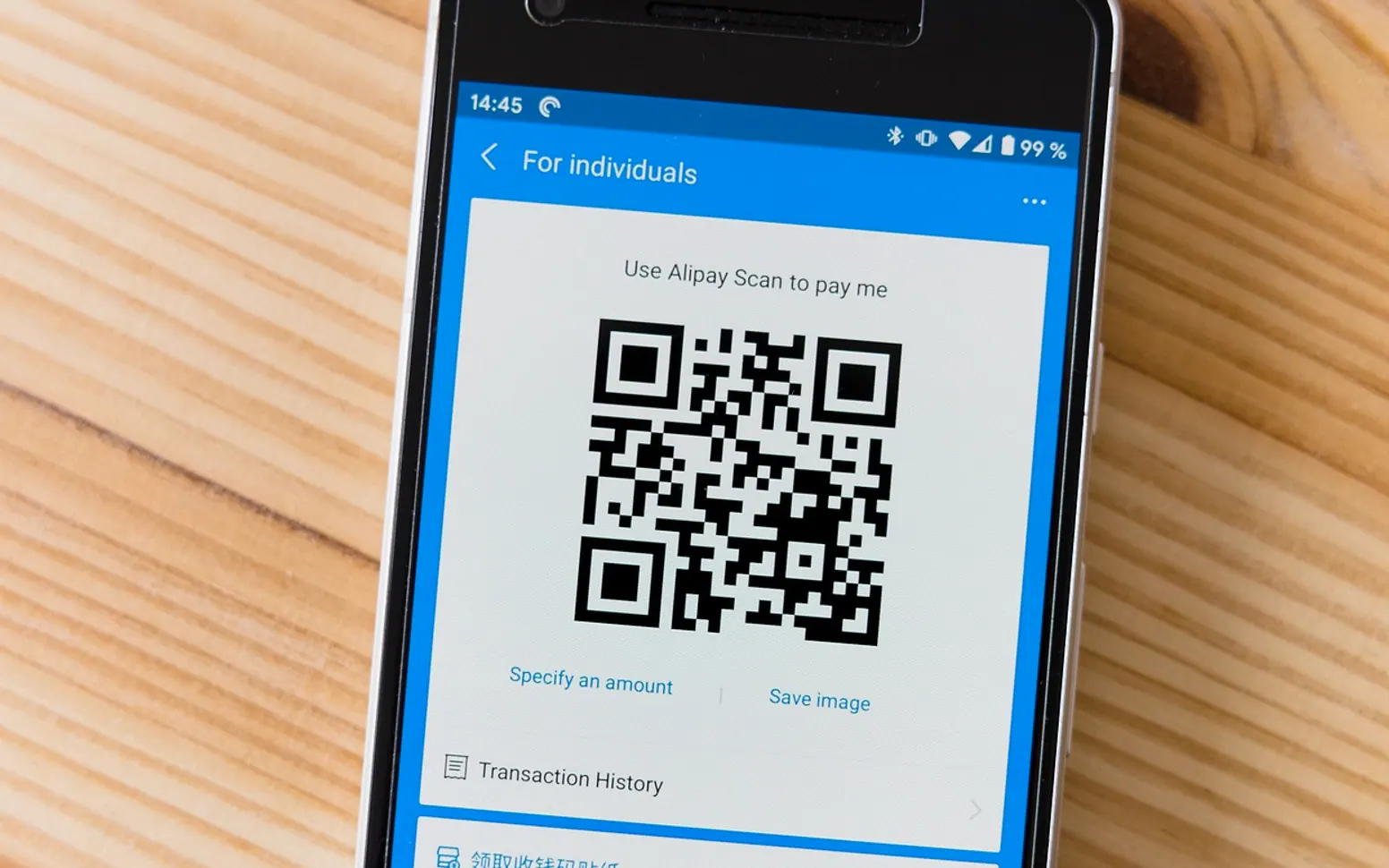
An e-wallet is an online account that holds money and pays merchants on your behalf, so the casino never sees your card or bank details, a security point also raised in our piece on how technology makes online slots safer. Phone-based wallets and QR payments, discussed in our look at mobile slot gaming, follow the same idea. Its biggest strength is payout speed: once the operator approves a withdrawal, the money often reaches the wallet the same day. Its weak point is that the wallet becomes a middle stop. Money can sit there, feel separate from your real budget and flow back into play with a couple of taps.
Some promotions exclude deposits made with certain e-wallets, so it is worth checking the bonus terms before choosing one. Our guide to making the most of slot promotions explains which clauses to look for.
Debit cards
A debit card is simple and widely accepted. Deposits are instant, and withdrawals usually return to the same card within a few business days. Because the card is tied to your main account, gambling transactions appear alongside rent and groceries, which some people find a useful reality check. If you would rather have the bank stop such payments entirely, many issuers offer a gambling block; our article on whether banks can block gambling transactions explains the mechanics.
Bank transfers
Direct transfers are cheap and handle large amounts well, but they run on banking days. In the US the standard route is ACH, which we cover in How Long Does an ACH Transfer Take?. Elsewhere, domestic instant payment schemes have made transfers much faster where both the bank and the operator take part.
Prepaid cards and vouchers
Prepaid products are bought with a fixed value, so you cannot spend more than you loaded. That makes them a blunt but effective budget fence. The catch is the return trip: many prepaid vouchers are deposit-only, which means any winnings must be withdrawn to a different, verified method. Plan that second route before depositing, not after a good night.
The closed-loop rule
Most licensed operators send withdrawals back to the method used for deposits, at least up to the deposited amount. This closed-loop approach helps prevent fraud. In practice it means:
- using one main method keeps withdrawals simple;
- switching methods often can split a payout across several routes;
- a deposit-only method needs a backup method on file for cash-outs.
The effect on timing is covered in our explainer on casino withdrawal times.
How to choose
- Start with what the operator accepts both ways. A method that can deposit but not withdraw is a half solution.
- Check fees at both ends. The casino may not charge, while the wallet, card issuer or bank does.
- Match currencies. Keeping the method and the betting account in the same currency avoids conversion charges.
- Think about control. A separate wallet or prepaid card used only for play makes spending easy to see and hard to top up on impulse.
- Keep one main method. Fewer routes mean clearer records and fewer split payouts.
Common mistakes
- Depositing with a method that cannot receive withdrawals and only finding out at cash-out time.
- Letting a withdrawal sit in an e-wallet and drift back into play.
- Using a card or account in someone else's name, which most operators forbid.
- Forgetting the small fees, which belong in your spending total just like losses do.
In brief
Pick the method that works in both directions, costs little at each end and helps you stay inside a set amount. Speed is pleasant, but control matters more. Casino play is for adults, and it stays entertainment only while the money behind it is money you have already decided you can do without.